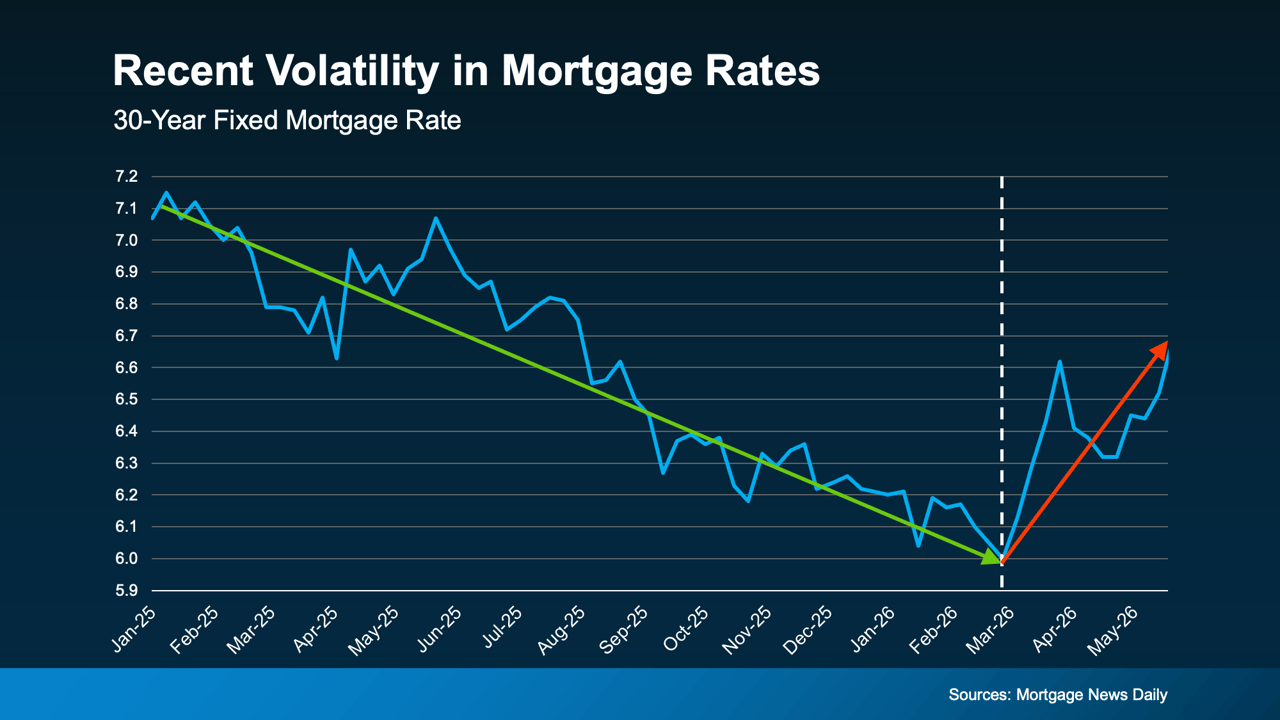
Over the past few weeks, the DFW real estate market was starting to show strong signs of a spring rebound. Mortgage rates briefly dipped below 6%, inventory was rising, and buyer activity was picking up after a slower winter.
Then global tensions escalated....and I started to get the question from clients, what is this going to do to our housing market?
When conflict impacts major oil-producing regions, it can create ripple effects that reach much closer to home than many people realize. Rising oil prices tend to increase the cost of transportation, goods, and construction materials. This can contribute to broader inflation — which ultimately influences mortgage rates.
When global uncertainty rises, borrowing costs often become more volatile. Mortgage rates reached their recent 3-year low in early March and began rising almost immediately after the conflict escalated. Gas prices have also risen quickly, which affects household budgets and overall consumer confidence. When people feel less financially secure, they sometimes pause major decisions like buying or selling a home.
That said, it’s important to keep perspective. Today’s housing market is very different from past economic crises. The U.S. produces significantly more domestic energy than it did decades ago, and while higher costs are likely, economists do not expect a severe energy crisis or a housing market shutdown.
So what do I forecast for real estate?
In my professional opinion, this spring market will likely be more measured than explosive — but still active. Here’s what I anticipate:
• Mortgage rates will continue to move up and down based on global news
• Inventory should continue to increase as sellers regain confidence
• Buyers will remain cautious but motivated when life changes require a move
• Negotiation opportunities may improve compared to the past few years
• Overall transaction volume should remain steady, not collapse
Historically, even during economic uncertainty, people still buy and sell homes due to life events — relocations, growing families, downsizing, or financial strategy changes.
Trying to perfectly “time the market” is incredibly difficult, especially during periods of global uncertainty. The better approach is to make decisions based on your personal timeline, financial readiness, and long-term goals.
While headlines can feel dramatic, real estate tends to move in cycles — not stop altogether. If you’ve been considering a move this year, this environment may actually present opportunities through increased inventory and more balanced negotiations. As always, I’m here to help you navigate both the data and the emotions of today’s market.