Why Modern Farmhouse Still Has DFW Hooked
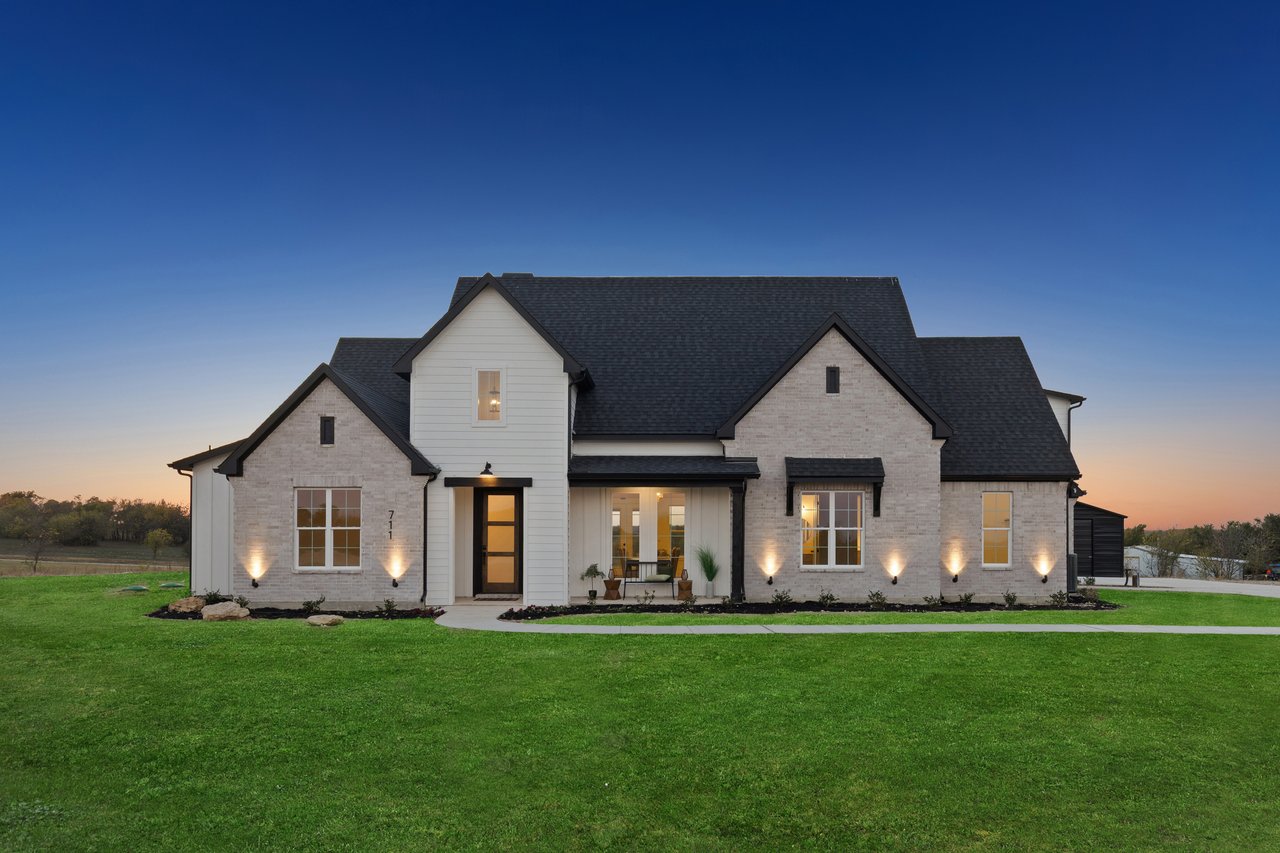
Drive through almost any newer neighborhood across DFW and you know the look before anyone has to name it: creamy white exteriors, black-framed windows, clean gables, board-and-batten siding, natural wood accents and an inviting front porch.
Modern farmhouse has been copied, criticized and declared “over” more times than we can count. And yet, it remains one of the most recognizable—and requested—home styles across North Texas.
That may be because modern farmhouse was never just a design trend.
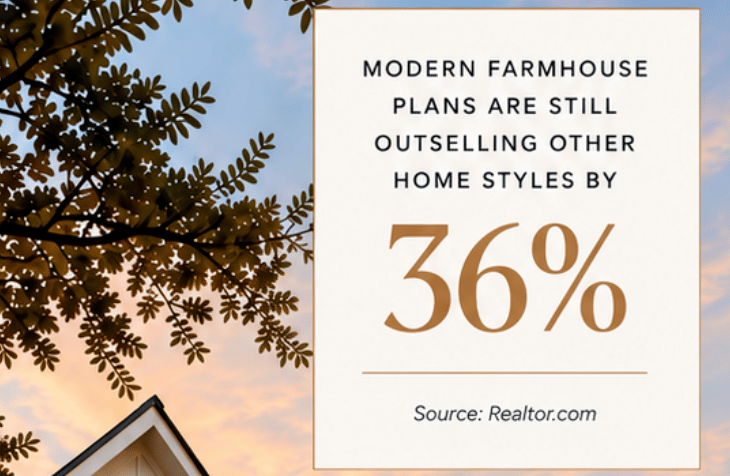
According to Realtor.com, modern farmhouse plans were still outselling other home styles by 36% as recently as early 2025. Its popularity certainly got a boost from HGTV and the rise of Chip and Joanna Gaines, but the story behind why builders embraced it so enthusiastically is more interesting—and surprisingly practical.
Modern farmhouse began gaining serious momentum in the years following the 2008 housing crash, when builders were under pressure to rethink how homes were designed and constructed.
Buyers still wanted beautiful homes with personality and curb appeal. Builders, meanwhile, needed designs that could deliver that character without returning to overly complicated—and expensive—architecture.
Modern farmhouse checked both boxes.
A relatively simple home could suddenly feel distinctive with a few recognizable architectural details: a strong front-facing gable, vertical siding, contrasting windows, a covered porch and perhaps a metal roof accent. Those elements created visual interest without necessarily requiring an overly complicated structure.
There was an economic component to the rise of the style as well. Manufactured building products made it easier to recreate traditional architectural details while keeping construction practical. Realtor.com points to the dramatic growth of fiber-cement siding, for example, as one of the material shifts that coincided with the modern farmhouse era.
Then popular culture stepped in.
When Fixer Upper premiered in 2013, farmhouse went from an emerging architectural style to something closer to a lifestyle. Suddenly shiplap, oversized kitchen islands, exposed beams, black windows and big front porches weren't simply design choices—they represented an idea of what home could feel like.
And that idea translated particularly well to Texas.
There's something about the modern farmhouse aesthetic that simply makes sense in North Texas.
It borrows from architectural elements that already feel familiar here—covered porches, pitched roofs, natural materials and generous indoor-outdoor spaces—but combines them with the open layouts and cleaner aesthetic buyers have come to expect from newer homes.
Texas builders continue to see demand for the style. Modern farmhouse plans often combine those recognizable exteriors with open great rooms, oversized kitchen islands, walk-in pantries, mudrooms and covered outdoor living spaces.
In other words, buyers may initially fall for the exterior, but the floor plan is a big part of what keeps the style relevant.
There's another factor that doesn't get talked about nearly as much: buildability.
Thoughtful floor plans, simpler rooflines and strategic use of materials can help builders manage construction costs and reduce material waste. That doesn't mean every modern farmhouse is inexpensive to build—far from it. Elaborate rooflines, expansive porches, upgraded windows, metal roofing, custom millwork and luxury finishes can quickly increase the price.
But the underlying architectural language can work beautifully with a relatively efficient floor plan.
That combination of curb appeal, livability and construction practicality helps explain why modern farmhouse has had considerably more staying power than many design trends.
Here's where it gets interesting.
Modern farmhouse isn't disappearing, but the version buyers are drawn to is evolving.
The stark black-and-white farmhouse that dominated Pinterest a decade ago is beginning to soften. We're seeing warmer whites and creams, natural stone, stained wood, softer contrast and more organic landscaping.
Inside, the same shift is happening.
The overly literal farmhouse details are giving way to spaces that feel more collected and transitional. Think natural woods instead of distressed finishes, warm neutrals instead of endless cool gray, textural stone, traditional silhouettes, statement lighting and cabinetry that feels more like furniture.
The result still has the warmth and approachability people loved about modern farmhouse, but it feels more refined and less themed.
What may be fading isn't necessarily farmhouse architecture itself. It's the formulaic version of it.
A beautiful gabled roof doesn't suddenly look dated. Neither does a great front porch, an open kitchen, abundant natural light or a strong connection between indoor and outdoor living.
It's the execution that's changing.
This may be where DFW is heading next.
Take the bones buyers loved about modern farmhouse—approachable architecture, practical layouts and casual living—and mix in the warmth of traditional Texas design with the cleaner lines of modern transitional style.
The result feels less like a trend and more timeless.
Instead of bright white siding everywhere, we're seeing creamy limestone mixed with painted brick. Instead of heavy black accents at every turn, finishes can be softer and warmer. Rather than obvious rustic details, natural stone, subtle wood beams and sophisticated millwork bring texture without making the home feel overly “farmhouse.”
Function is evolving, too.
Today's buyers often want open living without necessarily wanting everything to be one giant room. Defined spaces within an open floor plan, home offices, flex rooms, first-floor guest suites, substantial pantries and thoughtfully designed outdoor living spaces can make a home feel both beautiful and practical.
That evolution feels particularly natural for DFW, where homeowners often want enough architectural character to make a home memorable without sacrificing the functionality required for everyday family life.
We wouldn't count it out just yet.
Architectural tastes will continue to change, and builders will continue adapting homes to what buyers want—and to what makes economic sense to build.
But modern farmhouse managed to do something relatively few design trends accomplish: it changed the vocabulary of new construction.
You can see its influence even in homes that would never be marketed as farmhouses. Cleaner rooflines. Bigger porches. Dark-framed windows. Open kitchens. Natural materials. Casual indoor-outdoor living.
Around DFW, where new construction and Texas architecture have always borrowed freely from one another, those ideas aren't going anywhere anytime soon.
Maybe that's the real reason modern farmhouse still has DFW hooked.
It's no longer just a style.
It's become part of what we expect home to look—and live—like.
Whether your version of modern farmhouse is a classic white home on acreage, a newer build with warm transitional finishes, or a more sophisticated interpretation tucked inside one of DFW's sought-after communities, there are beautiful options throughout North Texas.
And finding the right one takes more than scrolling through listings.
At Jlux Homes & Co., we help our clients navigate the entire search—from identifying the communities and properties that fit their lifestyle to evaluating the home, understanding the local market and negotiating the strongest possible terms when the right one comes along.
If modern farmhouse has you hooked, too, we'd love to help you find your own.
Ready to start your search? Contact Jlux Homes & Co. today, and let's find the DFW home that feels like yours.
Your Home. Your Story. Our Expertise.
Stay up to date on the latest real estate trends.
September 23, 2026
Timeless style. Practical design. And a little bit of Texas charm.
August 17, 2026
Data centers are rapidly expanding across North Texas. But what happens when one is proposed near an established neighborhood—and what could it mean for the people who… Read more
July 2, 2026
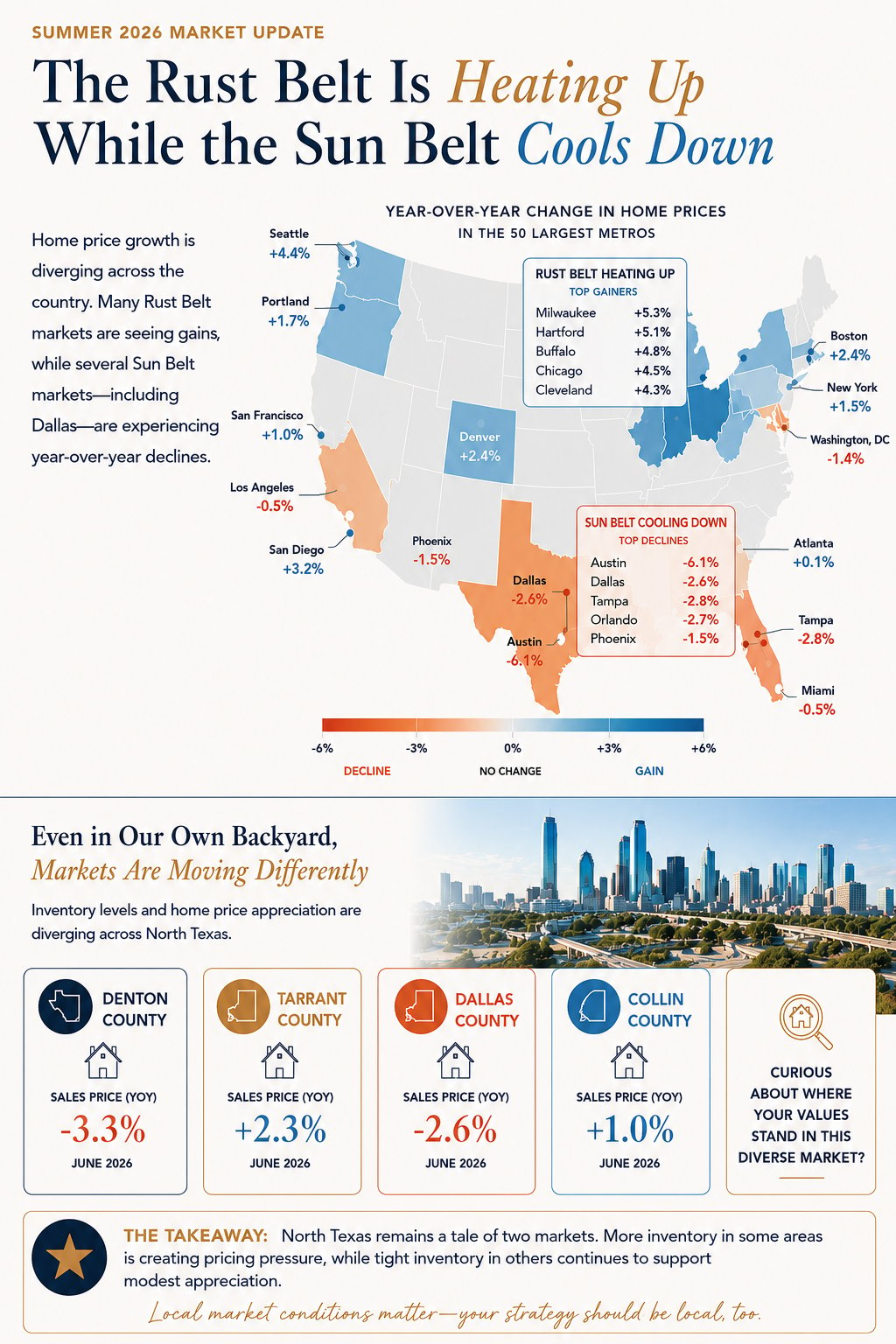
Why Texas Homeowners Should Pay Attention to This National Trend
June 19, 2026

May 6, 2026
Insight, connection, and fresh perspective from the SIDEXSIDE Conference

March 22, 2026
A question many of you have been asking lately.

February 20, 2026
This Buy Before You Sell Option Changes Everything
January 24, 2026
January 24, 2026
Beyond the Headlines: What 2026 Really Looks Like for Real Estate
Whether you’re buying or selling, we’d love to help you!